Stone Walls on Rural and Larger Lots
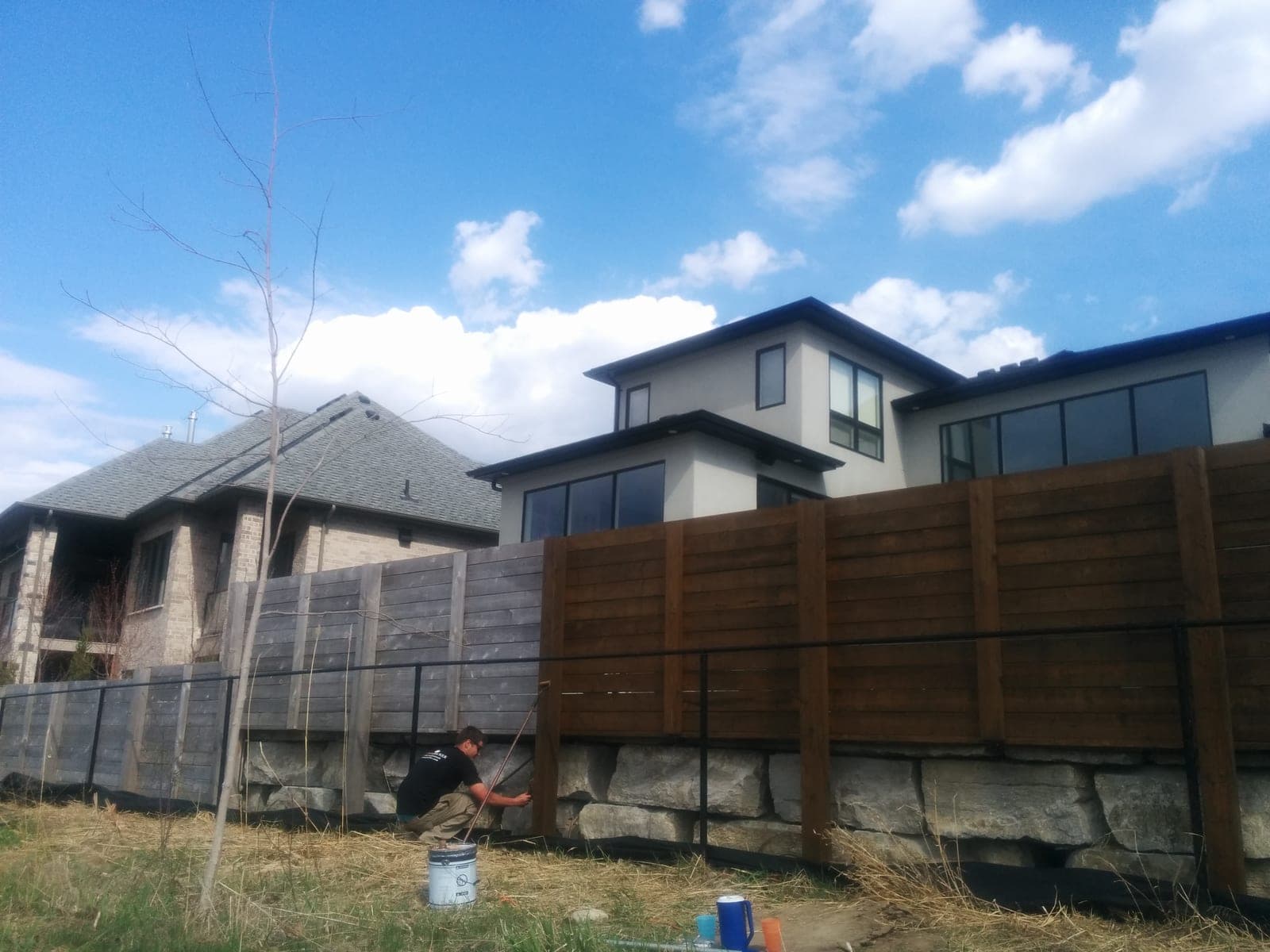
Larger properties around St. Thomas, particularly rural ones, suit natural stone well because there's room for the wall to read as a landscape feature rather than a strict structural line. Boulder and armour stone walls also handle informal, gently sloped grade changes without looking overly engineered.
In town, natural stone is more often used for a feature wall or garden border rather than the primary structural wall, where block or concrete usually takes over.
Stone Options
- Armour stone for structural, load-bearing applications
- Fieldstone and boulder walls for a more rustic, informal look
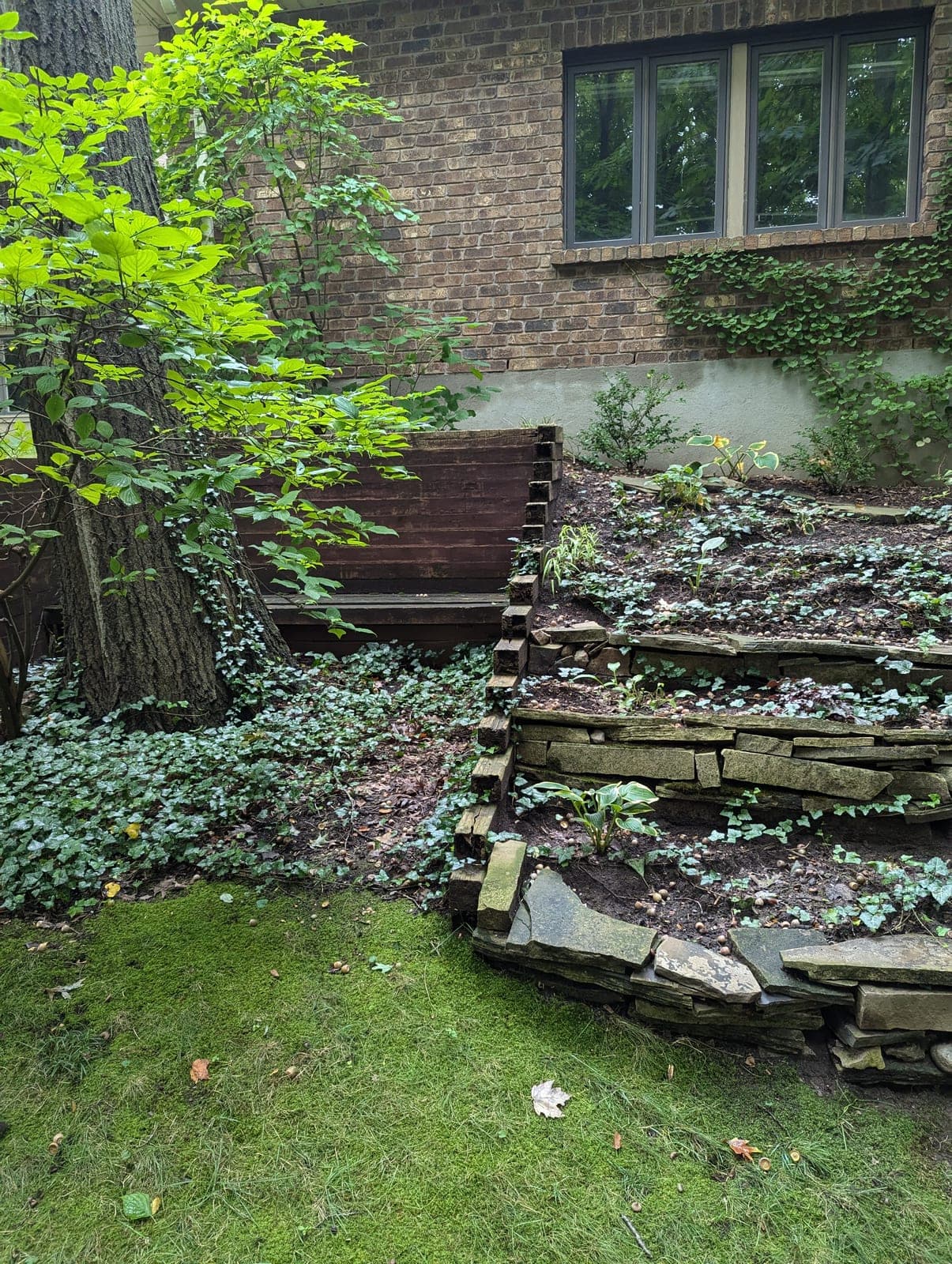
- Mixed stone sizing for terraced garden features
Construction Notes
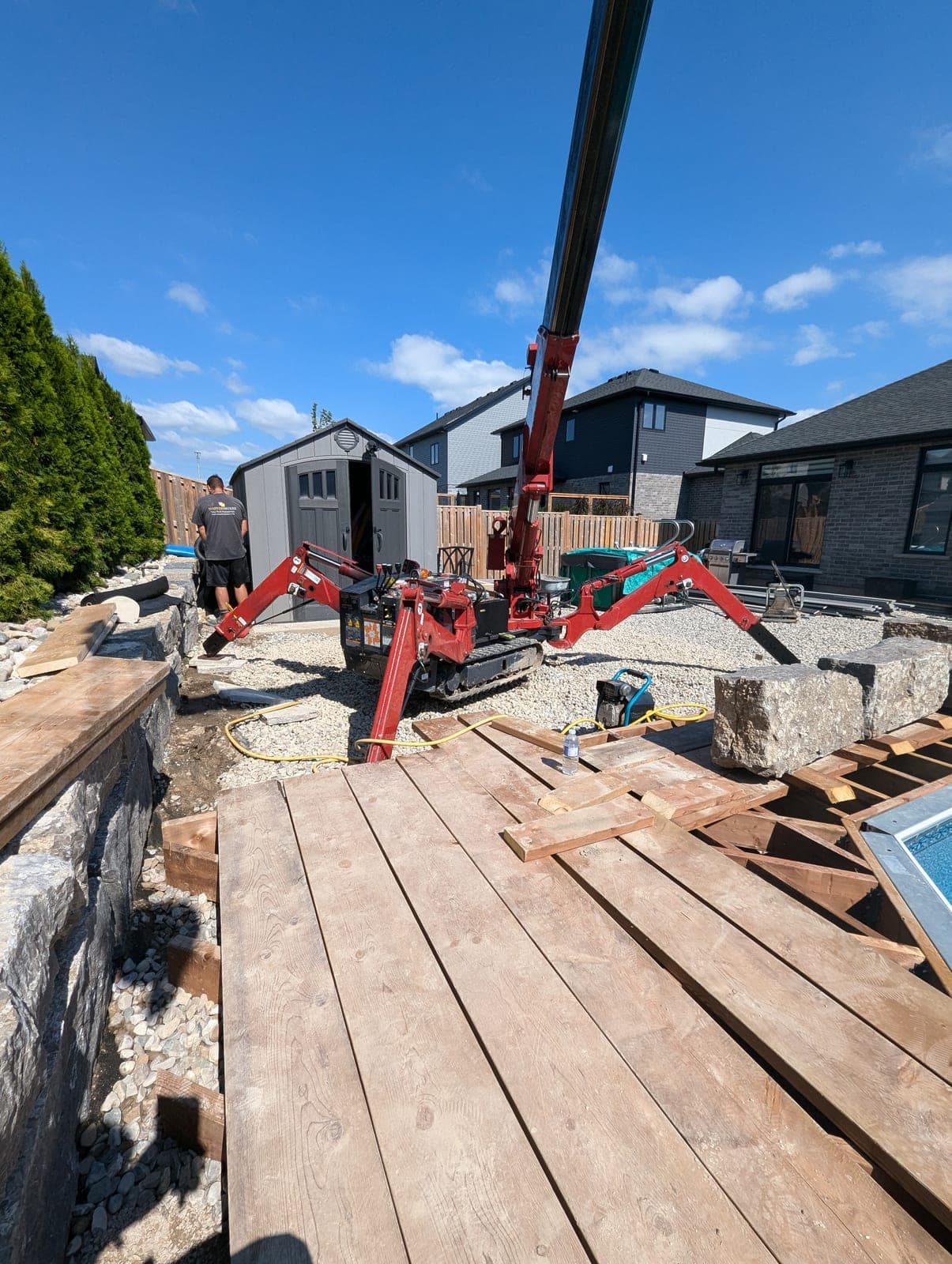
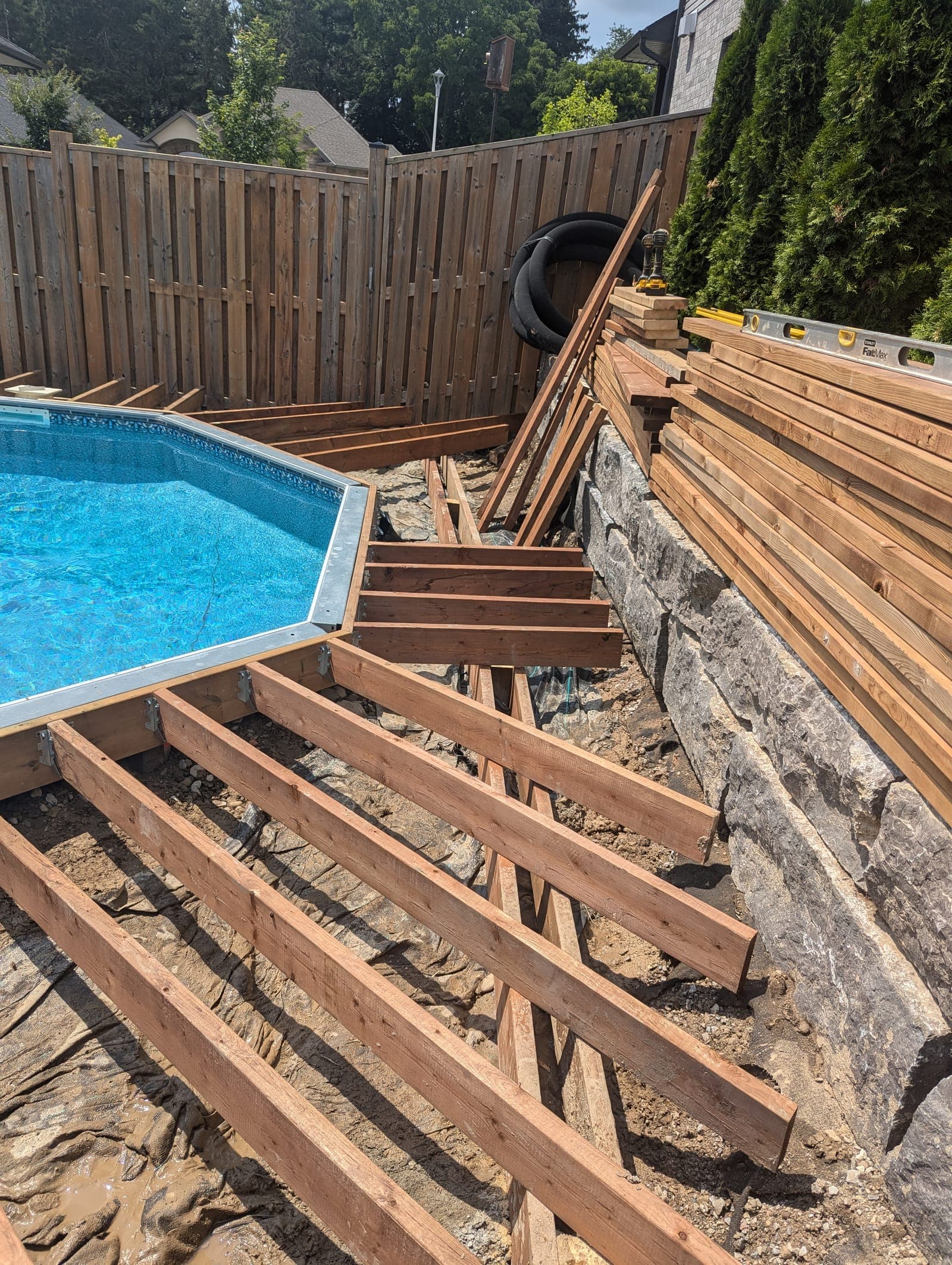
Larger stone requires equipment to place safely and accurately, and each course is set with a batter to lean into the slope. Drainage stone and filter fabric go in behind the wall just as they would on any other system, since stone's weight alone isn't a substitute for drainage.
Permits With the City of St. Thomas
Stone walls over roughly one metre need a City of St. Thomas permit, the same threshold as any other material. We handle that process for you.
Stone for Informal Rural Terracing
On larger Elgin County properties, natural stone works well for informal, gently stepped terracing along a slope, rather than one hard wall line. The irregular stone sizing lends itself to that softer, more natural transition.
If your slope is significant enough to need formal engineered terracing instead, see terraced & tiered retaining walls for that approach.
Stone Wall Weight and Base Requirements
Because natural stone is heavier than block per square foot, the compacted base beneath it needs to be sized accordingly. We calculate base depth and width based on the specific stone being used.
Questions we get asked
Can you source stone that matches what's already on my Elgin County property?
We can discuss stone options that complement existing fieldstone or landscape features during the site visit.
Is a natural stone wall more expensive than block?
It varies depending on stone size and availability, but is generally comparable to or somewhat higher than block for similar wall heights.
How tall can a natural stone wall be built?
Lower to mid-height walls suit stone well. For taller structural applications, we'll discuss whether concrete or engineered block is a better fit.
Do stone walls need drainage behind them like other walls?
Yes. Weight and irregular shape help stone resist movement, but without drainage stone behind it, water pressure will still push the wall over time.
Can stone be used for informal terracing rather than one hard wall?
Yes, on larger or rural properties, stepped stone terracing along a slope is a common and effective approach for less severe grade changes.
Does a stone wall need a different base than block?
Often a wider, more heavily compacted base, since stone is generally heavier per square foot than interlocking block.
Can stone be reused if I ever need to modify the wall later?
In many cases, yes. Dry-stacked stone without mortar can often be partially dismantled and reset if a future landscaping change requires adjusting the wall's line or height, which is an advantage over mortared or poured systems.